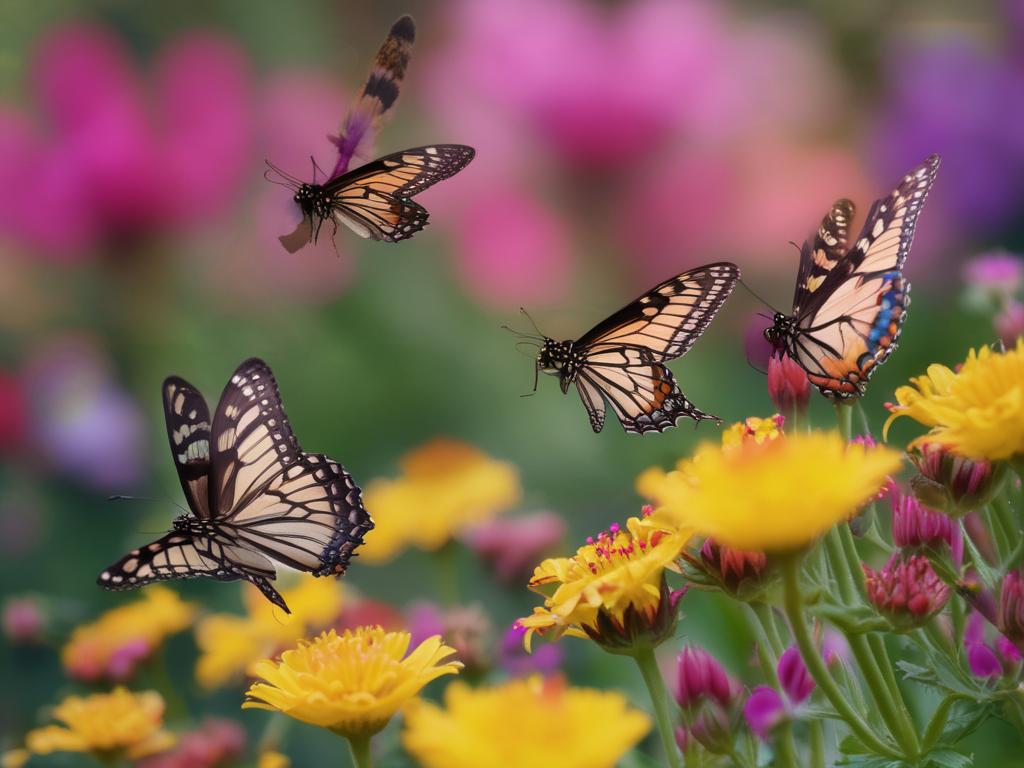
A wildlife-friendly garden is not only a beautiful and dynamic space but also a vital component of a healthy ecosystem. By attracting beneficial animals like birds, bees, and butterflies, you can enhance the biodiversity of your homestead and promote a thriving garden. Here are some tips on how to design and maintain a garden that welcomes and supports these important creatures.
Why Attract Beneficial Wildlife?
The Importance of Beneficial Wildlife
• Pollination: Bees, butterflies, and other pollinators are essential for the reproduction of many plants, including fruits and vegetables. They help ensure a bountiful harvest.
• Pest Control: Birds, ladybugs, and other beneficial insects help control pest populations, reducing the need for chemical pesticides.
• Soil Health: Creatures like earthworms and certain beetles aerate the soil and help decompose organic matter, improving soil structure and fertility.
• Biodiversity: A diverse garden ecosystem supports a variety of plants and animals, creating a balanced and resilient environment.
Designing a Wildlife-Friendly Garden
Plant a Variety of Native Plants
Native plants are adapted to your local climate and soil conditions, making them more attractive to local wildlife.
• Diverse Plantings: Include a mix of flowering plants, shrubs, and trees to provide food and habitat for different species.
• Seasonal Blooms: Choose plants that bloom at different times throughout the year to provide a continuous food source for pollinators.
Provide Water Sources
Water is essential for all wildlife. Incorporate features like birdbaths, small ponds, or shallow dishes to attract a variety of animals.
• Birdbaths: Keep birdbaths clean and filled with fresh water. Place them in a safe location away from predators.
• Ponds: Even a small pond can attract frogs, insects, and birds. Add aquatic plants to create a balanced ecosystem.
Create Shelter and Habitat
Provide safe places for wildlife to nest, hide, and overwinter.
• Nest Boxes: Install birdhouses and bat boxes to provide nesting sites.
• Brush Piles and Logs: Leave small brush piles, logs, and rocks in your garden to offer shelter for insects, amphibians, and small mammals.
• Dense Plantings: Plant shrubs and dense foliage to create hiding spots for birds and small animals.
Attracting Specific Beneficial Animals
Birds
Birds help control pests and pollinate plants. Attract them with food, water, and shelter.
• Feeders: Set up bird feeders with a variety of seeds to attract different species.
• Plants for Birds: Grow plants that produce berries and seeds, such as sunflowers, coneflowers, and elderberries.
Bees
Bees are crucial pollinators for many plants. Provide nectar-rich flowers and nesting sites.
• Bee-Friendly Plants: Plant flowers like lavender, borage, and clover, which are rich in nectar and pollen.
• Nesting Sites: Provide bee hotels or leave bare patches of soil for ground-nesting bees.
Butterflies
Butterflies add beauty to your garden and play a role in pollination. Attract them with colorful flowers and host plants for their larvae.
• Nectar Plants: Grow a variety of nectar-rich flowers like zinnias, marigolds, and asters.
• Host Plants: Include host plants like milkweed for monarchs and parsley for swallowtails, where butterflies can lay their eggs.
Beneficial Insects
Insects like ladybugs and lacewings help control pest populations.
• Habitat Plants: Grow plants like dill, fennel, and yarrow that attract beneficial insects.
• Avoid Pesticides: Minimize or eliminate the use of chemical pesticides to protect beneficial insect populations.
Maintaining a Wildlife-Friendly Garden
Practice Sustainable Gardening
Use eco-friendly gardening practices to support a healthy ecosystem.
• Organic Methods: Avoid synthetic fertilizers and pesticides. Use compost and organic mulches to nourish your soil.
• Water Wisely: Use drip irrigation or soaker hoses to minimize water waste. Water early in the morning to reduce evaporation.
• Weed Management: Hand-pull weeds or use organic mulch to suppress them. Avoid herbicides that can harm wildlife.
Monitor and Adapt
Regularly observe your garden to see which plants and features attract the most wildlife. Be prepared to make adjustments based on your observations.
• Keep Records: Maintain a garden journal to track the types of wildlife you see and any changes you make to your garden.
• Be Patient: Creating a wildlife-friendly garden takes time. Be patient and allow nature to find its balance.
Conclusion
Designing and maintaining a wildlife-friendly garden not only enhances the beauty and vitality of your homestead but also supports a healthy and balanced ecosystem. By incorporating native plants, providing water and shelter, and practicing sustainable gardening, you can attract beneficial wildlife that will help your garden thrive. Embrace the natural world and enjoy the many rewards of a wildlife-friendly garden. Happy gardening!
 LitFox Farm