Welcome back, fellow homesteaders! We’ve explored soil testing and soil health over the past few weeks, and we are on week 4 of 8! Halfway there!
Now it’s time to venture into the exciting world of crop selection and rotation. Choosing the right crops and practicing crop rotation can significantly enhance your garden’s productivity, reduce pest problems, and improve soil health. Let’s get started!
Choosing the Right Crops for Your Homestead
Selecting the right crops for your homestead is a crucial step in planning a successful garden. Here are some factors to consider:
1. Climate and Growing Season:
• Choose crops that thrive in your local climate and match your growing season. Research the average frost dates and growing zones for your area.
2. Soil Type and Conditions:
• Consider your soil’s pH, nutrient levels, and drainage. Some crops prefer specific soil conditions.
3. Personal Preferences:
• Grow what you and your family enjoy eating. There’s no point in growing a bountiful crop of something no one likes!
4. Crop Diversity:
• Plant a variety of crops to ensure a diverse and resilient garden. This can also help spread the risk of crop failure.
Examples of Easy-to-Grow Crops:
• Leafy Greens: Lettuce, spinach, kale.
• Root Vegetables: Carrots, radishes, beets.
• Fruiting Vegetables: Tomatoes, peppers, cucumbers.
• Legumes: Beans, peas.
Benefits of Crop Rotation and Companion Planting
Crop Rotation:
Crop rotation involves changing the type of crops grown in a particular area each season. This practice offers several benefits:
• Nutrient Management: Different crops have varying nutrient needs. Rotating crops helps prevent nutrient depletion and balances soil fertility.
• Pest and Disease Control: Many pests and diseases are crop-specific. Rotating crops disrupts their life cycles and reduces infestations.
• Soil Health: Crop rotation improves soil structure and organic matter content, leading to healthier soil.
Companion Planting:
Companion planting involves growing certain plants together to enhance growth, deter pests, and improve yields. Here are some popular companion planting combinations:
• Tomatoes and Basil: Basil repels tomato hornworms and enhances tomato flavor.
• Carrots and Onions: Onions repel carrot flies, while carrots deter onion flies.
• Beans and Corn: Beans fix nitrogen in the soil, benefiting corn, while corn provides support for bean vines.
Planning Your Garden Layout
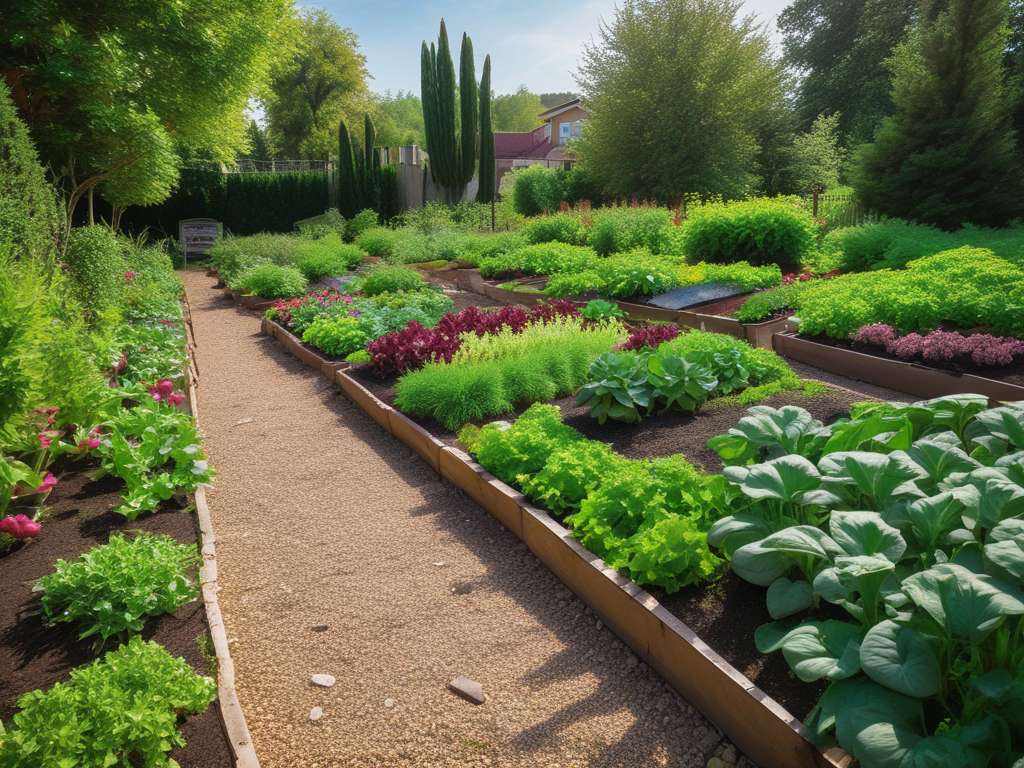
A well-planned garden layout maximizes space, promotes healthy plant growth, and makes maintenance easier. Here’s how to plan your garden layout:
1. Map Your Garden:
• Draw a rough sketch of your garden space, noting areas with full sun, partial shade, and other important features like water sources.
2. Divide into Sections:
• Divide your garden into sections or beds. Raised beds or defined plots help organize your planting areas.
3. Arrange Crops Strategically:
• Group plants with similar needs together. Place taller plants where they won’t shade shorter ones.
• Consider crop rotation and companion planting when deciding where to place each crop.
4. Allow for Accessibility:
• Ensure paths between rows or beds for easy access to plants for watering, weeding, and harvesting.
5. Succession Planting:
• Plan for succession planting to maximize productivity. As soon as one crop is harvested, plant another in its place.
Example Garden Layout:
• Bed 1: Leafy greens (lettuce, spinach, kale) in the spring, followed by carrots and onions in the summer.
• Bed 2: Beans and corn as companion plants, followed by a fall planting of garlic and radishes.
• Bed 3: Tomatoes and basil, followed by a cover crop of clover to enrich the soil over winter.
Conclusion
Choosing the right crops and practicing crop rotation are fundamental to a successful and sustainable garden. By selecting crops suited to your climate and soil, utilizing companion planting, and planning your garden layout strategically, you’ll maximize your garden’s yield and health.
Share your crop selection and garden planning experiences in the comments below, and let’s continue to learn and grow together.
Stay tuned for next week’s post, where we’ll dive into permaculture principles and how they can transform your garden into a self-sustaining ecosystem.
Happy Homesteading!
Feel free to ask any questions or share your thoughts in the comments. Let’s continue to learn and grow together!


 LitFox Farm