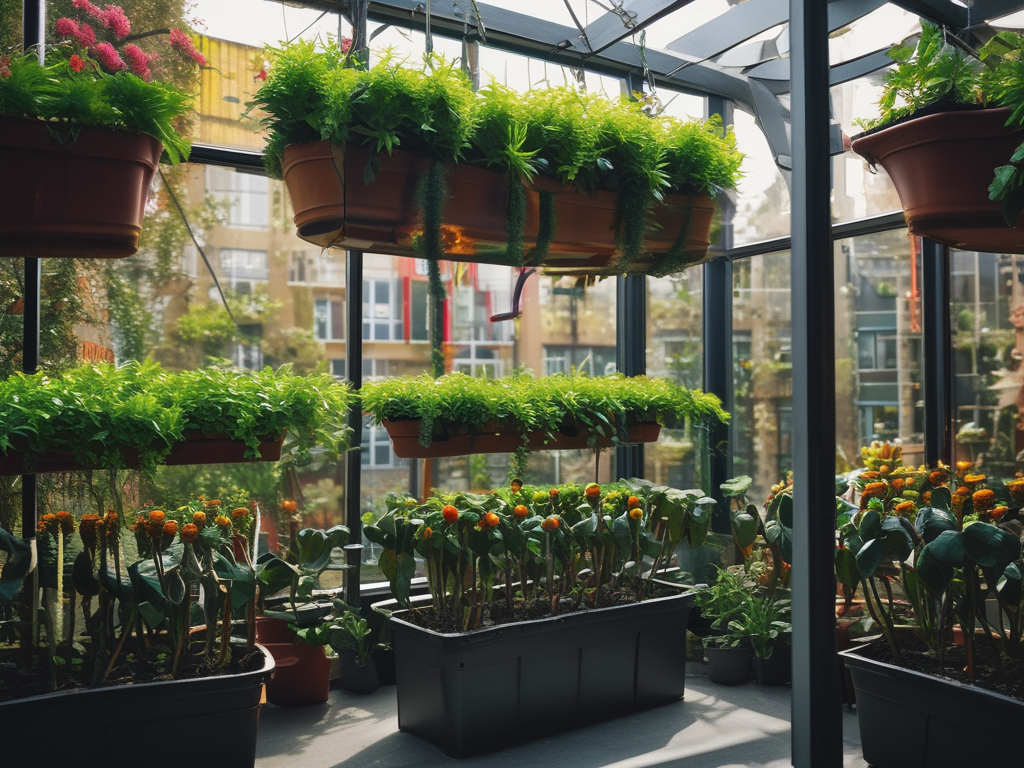
As more people seek sustainable and self-sufficient lifestyles, urban gardening has become a popular way to grow fresh, healthy produce right at home. Whether you have a tiny balcony, a small backyard, or even just a sunny windowsill, you can cultivate a thriving garden in the city. Today, I’ll share essential tips for starting your urban garden, including assessing your space, container gardening, vertical gardening techniques, and suggested plants for beginners.
Introduction to Urban Gardening and Its Benefits
Urban gardening allows city dwellers to connect with nature, reduce their carbon footprint, and enjoy homegrown food. The benefits are numerous:
• Fresh Produce: Grow your own vegetables, herbs, and fruits without the need for long transportation, ensuring fresher and more nutritious food.
• Sustainability: Reduce food waste and minimize environmental impact by growing what you need.
• Mental and Physical Health: Gardening is a great way to relieve stress, stay active, and enjoy the outdoors.
• Community Building: Engage with neighbors and fellow gardeners, sharing tips and produce.
Tips for Assessing Available Space and Light Conditions
Before starting your urban garden, evaluate your available space and light conditions:
• Space Assessment: Measure your gardening area, including balconies, patios, windowsills, and any other potential spots.
• Sunlight: Observe how much sunlight your space receives throughout the day. Most vegetables and herbs need at least 6-8 hours of direct sunlight. Use a sunlight calculator app or simply take note of sunny spots.
• Vertical Potential: Identify walls, fences, and railings where you can implement vertical gardening techniques to maximize space.
Recommendations for Container Gardening
Container gardening is perfect for small spaces. Here’s what you need to know:
• Container Types:
• Pots and Planters: Available in various sizes and materials. Choose those with good drainage.
• Grow Bags: Flexible, breathable, and great for root health.
• Repurposed Containers: Buckets, crates, and even old furniture can be turned into planters.
• Soil Mix:
• Use a high-quality potting mix that retains moisture and provides good drainage.
• Enrich the soil with compost to add nutrients.
• Avoid using garden soil, which can be too dense for containers.
Overview of Vertical Gardening Techniques
Vertical gardening is an excellent way to maximize space and increase yield:
• Trellises and Arches: Ideal for climbing plants like beans, cucumbers, and peas.
• Wall Planters: Use mounted planters or pocket systems to grow herbs, strawberries, and small greens.
• Hanging Baskets: Perfect for trailing plants like tomatoes, strawberries, and herbs.
• Vertical Towers: Stackable planters or towers that allow you to grow multiple plants in a compact space.
• DIY Solutions: Use items like shoe organizers or pallets for creative vertical gardening setups.
Suggested Plants for Beginners and Small Spaces
Starting with easy-to-grow plants ensures early success and boosts confidence. Here are some great choices for beginners:
• Herbs: Basil, mint, parsley, chives, and thyme thrive in containers and require minimal care.
• Leafy Greens: Lettuce, spinach, and kale grow quickly and can be harvested multiple times.
• Tomatoes: Cherry or dwarf varieties are ideal for small spaces and containers.
• Peppers: Bell peppers and chili peppers are compact and productive.
• Radishes: Fast-growing and perfect for small spaces.
• Beans: Pole beans can climb trellises, making them excellent for vertical gardening.
Conclusion
Starting an urban garden is a rewarding journey that brings fresh produce and a sense of accomplishment. By assessing your space, choosing the right containers, and implementing vertical gardening techniques, you can create a thriving garden even in the smallest spaces. Start with beginner-friendly plants, and soon you’ll be enjoying the fruits (and vegetables) of your labor.
Thank you for joining me on this journey at LitFoxFarm. Stay tuned for more tips, tutorials, and updates as we grow together!
Happy gardening!
Lindsay
 LitFox Farm
Leave a comment