Author: Linda Maybe

  • DIY Fourth of July Homestead Activities for Families

    DIY Fourth of July Homestead Activities for Families

    Independence Day is a perfect time to engage in fun and creative activities on your homestead. Whether you’re decorating, crafting, or setting up a backyard picnic, there are plenty of ways to celebrate with DIY projects that the whole family can enjoy. Here are some kid-friendly ideas to make your Fourth of July festive and memorable.

    1. Patriotic Decorations

    DIY American Flag Banners

    Create a festive atmosphere by making your own American flag banners. This simple craft is perfect for kids and adds a patriotic touch to your homestead.

    Materials:

    • Red, white, and blue construction paper

    • Scissors

    • Glue or tape

    • String or ribbon

    Instructions:

    1. Cut the Paper: Cut the construction paper into triangle shapes.

    2. Assemble the Flags: Glue or tape the triangles onto the string or ribbon, alternating red, white, and blue colors.

    3. Hang the Banner: Find a spot to hang your banner, such as along the porch, fence, or garden area.

    Painted Mason Jars

    Painted mason jars can serve as beautiful decorations or functional containers for your picnic.

    Materials:

    • Mason jars

    • Red, white, and blue acrylic paint

    • Paintbrushes

    • Tea lights or small flags (optional)

    Instructions:

    1. Paint the Jars: Let the kids paint the jars in patriotic colors or designs.

    2. Dry and Use: Once dry, use the jars as candle holders, vases, or utensil holders for your picnic.

    2. Backyard Picnic with Homegrown Produce

    Kid-Friendly Recipes

    Involve the kids in preparing a delicious backyard picnic with fresh produce from your garden.

    Fruit Kabobs

    Easy and healthy, fruit kabobs are a hit with kids and adults alike.

    Ingredients:

    • Strawberries

    • Blueberries

    • Watermelon

    • Pineapple

    Instructions:

    1. Prepare the Fruit: Wash and cut the fruit into bite-sized pieces.

    2. Assemble the Kabobs: Let the kids thread the fruit onto skewers, alternating colors for a patriotic look.

    Garden Salad

    Make a fresh garden salad with your homegrown veggies.

    Ingredients:

    • Lettuce

    • Cherry tomatoes

    • Cucumbers

    • Carrots

    Instructions:

    1. Harvest and Wash: Pick the veggies from your garden and wash them thoroughly.

    2. Chop and Toss: Let the kids help chop the veggies and toss them in a bowl with their favorite dressing.

    Picnic Setup

    Create a comfortable and festive picnic area in your backyard.

    Materials:

    • Picnic blanket

    • Cushions

    • Outdoor tableware

    • DIY decorations

    Instructions:

    1. Set the Scene: Spread out the picnic blanket and arrange cushions for seating.

    2. Decorate: Use your DIY decorations, like the painted mason jars and flag banners, to add a festive touch.

    3. Themed Crafts with Crochet

    Crochet American Flag Coasters

    Get the kids involved in making simple crochet projects that are both fun and functional.

    Materials:

    • Red, white, and blue yarn

    • Crochet hook

    • Scissors

    Instructions:

    1. Basic Crochet Skills: Teach the kids basic crochet stitches like the chain stitch and single crochet.

    2. Make the Coasters: Help them create small squares in each color, then sew them together to form a flag pattern.

    Patriotic Bracelets

    Make easy and cute crochet bracelets in patriotic colors.

    Materials:

    • Red, white, and blue yarn

    • Crochet hook

    • Beads (optional)

    • Scissors

    Instructions:

    1. Chain Stitch: Have the kids crochet a long chain in each color.

    2. Assemble the Bracelet: Braid the chains together and add beads if desired. Tie the ends to form a bracelet.

    Conclusion

    Celebrating Independence Day on your homestead with these DIY activities is a fantastic way to enjoy the holiday while creating lasting memories with your family. From making patriotic decorations and preparing a backyard picnic with homegrown produce to crafting themed crochet projects, there’s something for everyone to enjoy. Have a fun and festive Fourth of July!
  • Enhance Your Homestead with Soil Science: 8-Week Series

    Enhance Your Homestead with Soil Science: 8-Week Series

    Hello, fellow homesteaders! Welcome to the first post in my new series on sustainable agriculture. Over the next eight weeks, we’ll dive deep into the fascinating world of soil science. Whether you’re new to homesteading or looking to expand your knowledge, this journey will equip you with essential skills and insights to improve your garden and boost your homesteading success.

    Affiliate Disclaimer: 

    This post may contain affiliate links, which means I may receive a small commission at no additional cost to you if you make a purchase through these links. Thank you for supporting my blog and allowing me to continue to bring you valuable content.

    The Importance of Soil in Agriculture

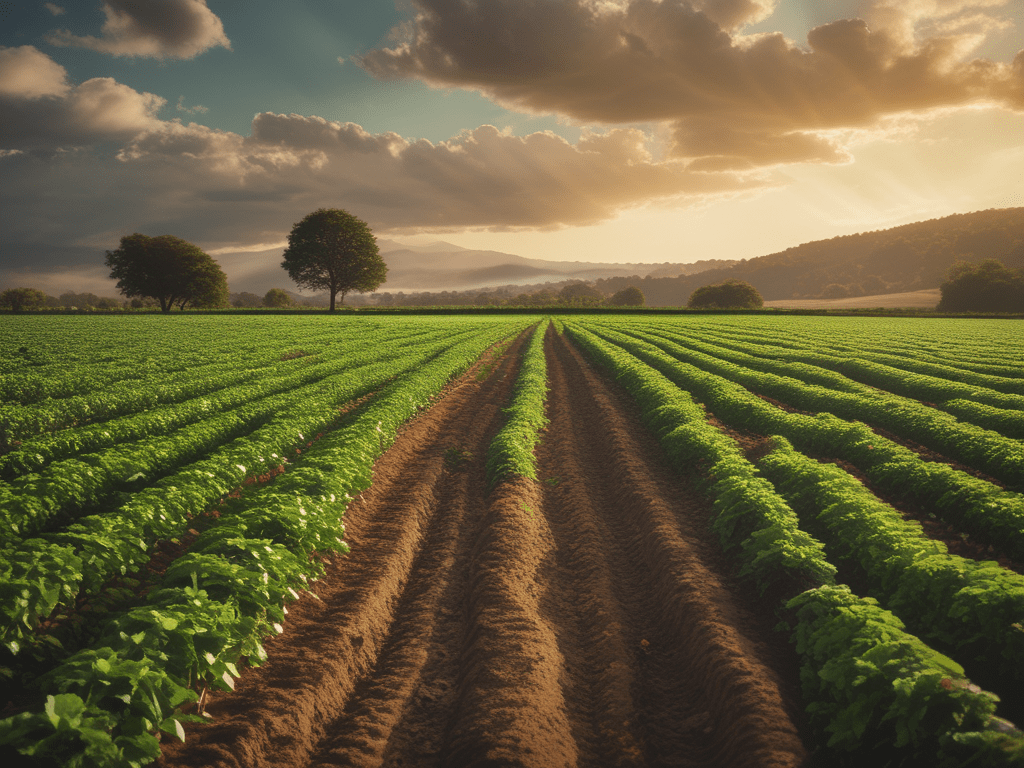
    Soil is the foundation of any successful garden or farm. It’s more than just dirt—it’s a living ecosystem that supports plant growth, holds water and nutrients, and provides a habitat for countless organisms. Healthy soil is crucial for growing nutritious crops and maintaining a sustainable homestead. Understanding soil science will empower you to create and maintain fertile, productive soil, ensuring a bountiful harvest for years to come.

    What We’ll Learn in the Next 8 Weeks

    Over the next eight weeks, we’ll cover the following topics:

    1. Soil Testing Basics: How to test soil pH and nutrient levels.
    2. Improving Soil Health: Methods for amending soil based on test results.
    3. Crop Selection and Rotation: Choosing the right crops and practicing crop rotation.
    4. Permaculture Principles Part 1: Introduction to permaculture design strategies based on the book “Introduction to Permaculture.” by Bill Mollison & Reny Mia Slay
    5. Permaculture Principles Part 2: Practical examples and designing your own permaculture garden based on the book “Introduction to Permaculture.” by Bill Mollison & Reny Mia Slay
    6. Organic Farming Techniques: Natural pest control and sustainable farming practices.
    7. Review and Certification: A comprehensive review of soil science and awarding of certificates and badges.

    By the end of this series, you’ll have a solid understanding of soil science and practical skills to enhance your gardening efforts.

    Reading Assignment: “The Soil Will Save Us” by Kristin Ohlson

    To kick off our soil science journey, we’ll start with a reading assignment: “The Soil Will Save Us” by Kristin Ohlson. This book explores the critical role soil plays in our environment and how we can restore its health through regenerative agricultural practices. Ohlson’s compelling narrative and scientific insights make it an engaging and informative read for anyone interested in sustainable agriculture.

    Reading Tips:

    • Aim to read a few chapters each week.
    • Take notes on key concepts and ideas.
    • Reflect on how the information applies to your own homestead.

    Discussion on the Role of Soil Health

    Soil health is integral to successful agriculture and sustainable living. Healthy soil:

    • Supports Plant Growth: Provides essential nutrients and a stable structure for roots.
    • Enhances Water Retention: Helps retain moisture, reducing the need for frequent watering.
    • Promotes Biodiversity: Hosts a diverse community of organisms that contribute to soil fertility and plant health.
    • Sequesters Carbon: Plays a role in mitigating climate change by storing carbon.

    As we progress through this series, we’ll explore practical ways to improve soil health on your homestead. From soil testing and amendments to permaculture principles and organic farming techniques, you’ll gain valuable knowledge to cultivate a thriving, sustainable garden.

    Stay tuned for next week’s post, where we’ll delve into the basics of soil testing. We’ll guide you through the process of testing your soil’s pH and nutrient levels, a crucial first step in understanding and improving your soil health.

    Happy Homesteading!

    Feel free to share your thoughts and experiences in the comments below. Let’s learn and grow together!

  • Self-Teaching Homesteading: A Weekly Journey

    Self-Teaching Homesteading: A Weekly Journey

    Hello, fellow gardeners, homesteaders, & worm enthusiasts! I’m excited to introduce a new weekly series on my blog, where I’ll be documenting my journey into the world of homesteading through self-teaching. Every Monday, I’ll share updates, insights, and lessons learned as I delve into various aspects of sustainable living, from raising chickens to growing vegetables and everything in between. I am also cross-posting these to my other site thewormwagon.com, as it just seems fitting.

    A Lifelong Passion for Homesteading

    My passion for homesteading started at a young age. I fondly remember raising chickens and growing lemon trees in the hen house, as well as spending summer hours with my grandfather, learning the art of worm farming. These experiences taught me invaluable life lessons and instilled in me a deep love for self-sufficiency and sustainable living. Being homeschooled through high school, I learned the majority of what I know through experience and self-learning.

    Motivation and Goals

    These days, my motivation stems from a general dissatisfaction with the status quo and the expectations of corporate life. I long to escape these constraints and create a world where I can thrive on my own terms. My dream is to run a happy little homestead, sell my crochet creations, and manage websites where I can teach others to do the same. Ultimately, I hope to quit my day job and let homesteading become my full-time occupation.

    Current Situation and Projects

    I’m currently based in upstate New Jersey, where the mini farm stands along the roadsides have been a source of inspiration. Although I’m working with minimal space and limited sunlight, I’m determined to make the most of what I have. My current projects include the initial stages of a three-bin composter, a worm factory that I hope to expand to supply my community with garden worms and vermicompost, and a mini pumpkin patch. This season, I’m expecting to harvest over 100 mini pumpkins!

    Why Self-Study?

    When I considered formal education in agriculture, I kept asking myself, “Why?” Why spend so much money when I’ve already proven that a certification or a piece of paper isn’t what counts? It’s the experience and skills that truly matter. Inspired by Tim Ferris and his Self-Taught MBA plan, I decided to create my own course plan for homesteading. Being homeschooled, I’m no stranger to self-directed learning, and I’m excited to embark on this new educational journey.

    Join Me on This Adventure

    I invite you to join me on this exciting adventure. Whether you’re a seasoned homesteader or just beginning, I hope my journey will inspire and empower you to pursue your own path to self-sufficiency. Each week, I’ll share detailed updates on my progress, practical tips, and valuable resources that you can use to build your own homestead.

    Stay tuned for next Monday’s post, where I’ll dive into the first topic of my self-taught homesteading curriculum: Soil Science. Together, we’ll explore the fascinating world beneath our feet and learn how to create healthy, productive soil for our gardens.

    Thank you for being a part of this journey. I can’t wait to share more with you and hear about your own homesteading experiences. Let’s make our dreams of a self-sufficient, sustainable life a reality!

    Happy Homesteading!

  • Maximizing Small Spaces: Essential Urban Garden Tips

    Maximizing Small Spaces: Essential Urban Garden Tips

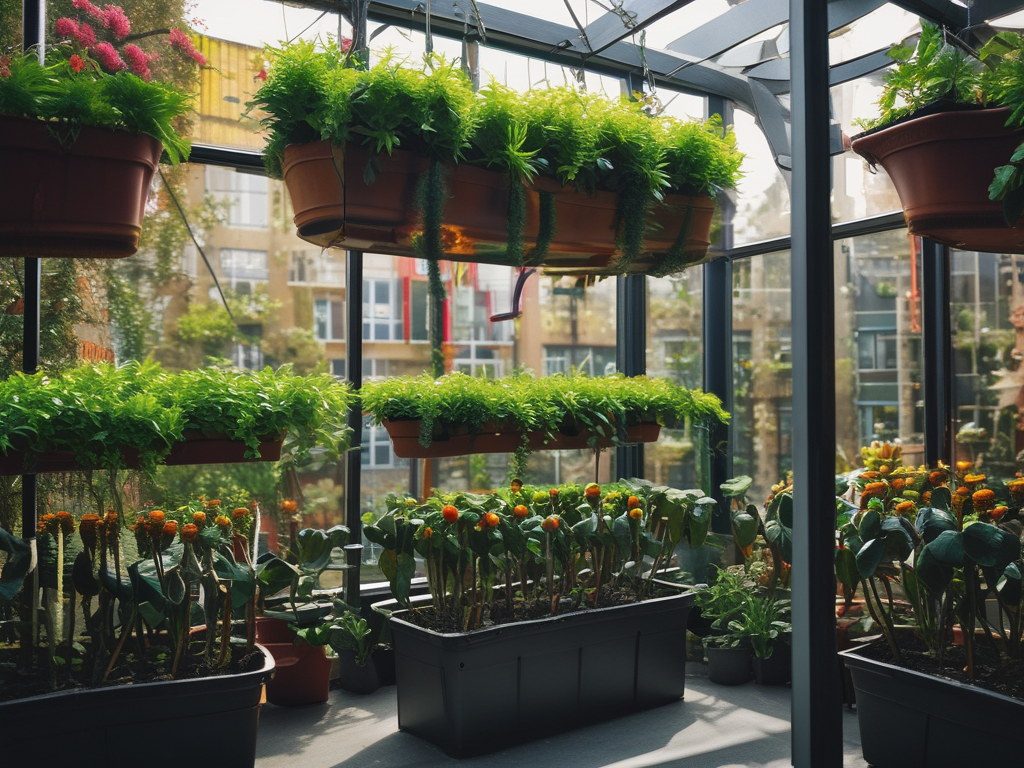
    As more people seek sustainable and self-sufficient lifestyles, urban gardening has become a popular way to grow fresh, healthy produce right at home. Whether you have a tiny balcony, a small backyard, or even just a sunny windowsill, you can cultivate a thriving garden in the city. Today, I’ll share essential tips for starting your urban garden, including assessing your space, container gardening, vertical gardening techniques, and suggested plants for beginners.

    Introduction to Urban Gardening and Its Benefits

    Urban gardening allows city dwellers to connect with nature, reduce their carbon footprint, and enjoy homegrown food. The benefits are numerous:

    • Fresh Produce: Grow your own vegetables, herbs, and fruits without the need for long transportation, ensuring fresher and more nutritious food.

    • Sustainability: Reduce food waste and minimize environmental impact by growing what you need.

    • Mental and Physical Health: Gardening is a great way to relieve stress, stay active, and enjoy the outdoors.

    • Community Building: Engage with neighbors and fellow gardeners, sharing tips and produce.

    Tips for Assessing Available Space and Light Conditions

    Before starting your urban garden, evaluate your available space and light conditions:

    • Space Assessment: Measure your gardening area, including balconies, patios, windowsills, and any other potential spots.

    • Sunlight: Observe how much sunlight your space receives throughout the day. Most vegetables and herbs need at least 6-8 hours of direct sunlight. Use a sunlight calculator app or simply take note of sunny spots.

    • Vertical Potential: Identify walls, fences, and railings where you can implement vertical gardening techniques to maximize space.

    Recommendations for Container Gardening

    Container gardening is perfect for small spaces. Here’s what you need to know:

    • Container Types:

    • Pots and Planters: Available in various sizes and materials. Choose those with good drainage.

    • Grow Bags: Flexible, breathable, and great for root health.

    • Repurposed Containers: Buckets, crates, and even old furniture can be turned into planters.

    • Soil Mix:

    • Use a high-quality potting mix that retains moisture and provides good drainage.

    • Enrich the soil with compost to add nutrients.

    • Avoid using garden soil, which can be too dense for containers.

    Overview of Vertical Gardening Techniques

    Vertical gardening is an excellent way to maximize space and increase yield:

    • Trellises and Arches: Ideal for climbing plants like beans, cucumbers, and peas.

    • Wall Planters: Use mounted planters or pocket systems to grow herbs, strawberries, and small greens.

    • Hanging Baskets: Perfect for trailing plants like tomatoes, strawberries, and herbs.

    • Vertical Towers: Stackable planters or towers that allow you to grow multiple plants in a compact space.

    • DIY Solutions: Use items like shoe organizers or pallets for creative vertical gardening setups.

    Suggested Plants for Beginners and Small Spaces

    Starting with easy-to-grow plants ensures early success and boosts confidence. Here are some great choices for beginners:

    • Herbs: Basil, mint, parsley, chives, and thyme thrive in containers and require minimal care.

    • Leafy Greens: Lettuce, spinach, and kale grow quickly and can be harvested multiple times.

    • Tomatoes: Cherry or dwarf varieties are ideal for small spaces and containers.

    • Peppers: Bell peppers and chili peppers are compact and productive.

    • Radishes: Fast-growing and perfect for small spaces.

    • Beans: Pole beans can climb trellises, making them excellent for vertical gardening.

    Conclusion

    Starting an urban garden is a rewarding journey that brings fresh produce and a sense of accomplishment. By assessing your space, choosing the right containers, and implementing vertical gardening techniques, you can create a thriving garden even in the smallest spaces. Start with beginner-friendly plants, and soon you’ll be enjoying the fruits (and vegetables) of your labor.

    Thank you for joining me on this journey at LitFoxFarm. Stay tuned for more tips, tutorials, and updates as we grow together!

    Happy gardening!

    Lindsay

  • LitFoxFarm: A Sustainable Urban Gardening Journey | Growing Guides, Tips & More

    LitFoxFarm: A Sustainable Urban Gardening Journey | Growing Guides, Tips & More

    Hello and welcome to LitFoxFarm!

    I’m Lindsay, an avid gardener with a passion for sustainability and a dream to turn my small urban(ish) space into a thriving, productive farm. Nestled at the tippy top of New Jersey, LitFoxFarm is my journey of transforming a 1/4 acre backyard and front yard into a green oasis filled with fresh vegetables, vibrant flowers, and sustainable practices.

    Why LitFoxFarm?

    Gardening has always been a part of my life, sparked by fond memories of helping my grandfather raise worms and cultivate a small garden. Despite the challenges and a few humorous mishaps along the way, my fascination with growing things never faded. Today, I’m combining my love for gardening with my passion for sustainability, aiming to create a farm that not only feeds my family but also brings joy and inspiration to my community.

    What You Can Expect

    At LitFoxFarm, we believe in the power of variety and the importance of sustainable practices. Here’s what you can look forward to:

    • Growing Guides: Detailed guides on how to grow a variety of vegetables, herbs, and flowers, even in small spaces.

    • Sustainable Practices: Tips on composting, rainwater collection, and organic pest control to keep your garden eco-friendly.

    • Project Updates: Follow along as we expand our garden, introduce new crops, and implement innovative farming techniques.

    • Community Connection: Opportunities to connect with fellow gardeners, attend workshops, and share experiences.

    Join Me on This Journey

    Whether you’re an experienced gardener or just starting out, I invite you to join me on this journey of creativity, craftsmanship, and sustainable living, all nurtured with a touch of love. Let’s get our hands dirty and grow something beautiful together!

    Thank you for visiting LitFoxFarm. Stay tuned for more posts filled with tips, tutorials, and updates on our progress. Together, we can cultivate a greener future, one plant at a time.

    Lindsay